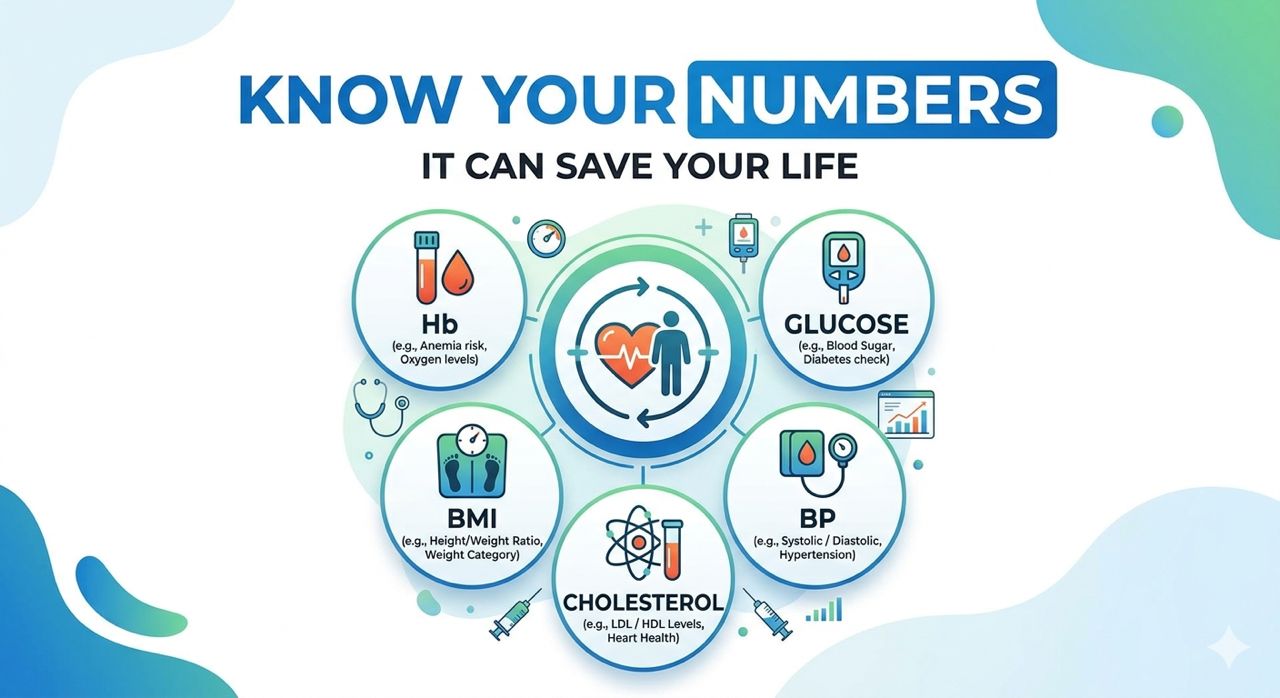
Know Your Numbers: 5 Critical Health Numbers Every Nigerian Must Track
Know your numbers — it could save your life in Nigeria.
Most Nigerians can tell you their phone number, their account number, even their car plate number. But ask them their blood pressure reading, their blood sugar level, or their cholesterol number — and they go completely silent. These numbers matter more than any other number in your life.
They are the difference between catching a problem early and discovering it too late. Between living a full, healthy life and spending your savings on hospital bills.
Today we’re breaking down the 5 critical health numbers every Nigerian must know — and what to do if yours are off.
Number 1 — Blood Pressure
What it is: The force of blood pushing against your artery walls as your heart pumps.
Normal range: 120/80 mmHg or below
What the numbers mean:
- 120/80 and below — Normal ✅
- 121-139/80-89 — Elevated. Watch your diet and lifestyle
- 140/90 and above — High blood pressure (Hypertension) ⚠️
Why it matters in Nigeria:
Hypertension is one of Nigeria’s biggest silent killers. It is called “silent” because most people feel completely fine — until they have a stroke or heart attack.According to research, nearly 1 in 3 Nigerian adults has high blood pressure. The majority don’t know it.
What to do: Check your blood pressure at least once every 6 months. Many pharmacies and clinics offer free checks. If it’s consistently above 140/90 — see a doctor immediately.
Number 2 — Fasting Blood Sugar
What it is: The level of glucose (sugar) in your blood after not eating for at least 8 hours.
Normal range: 70-99 mg/dL
What the numbers mean:70-99 — Normal ✅
100-125 — Prediabetes ⚠️
126 and above — Diabetes ❌
Why it matters in Nigeria:
Nigeria has one of the highest rates of undiagnosed diabetes in Africa. Millions of people are walking around with dangerously high blood sugar without knowing it. Diabetes doesn’t always announce itself with obvious symptoms. You might feel slightly more tired than usual or notice you’re thirstier — and dismiss it.
What to do: Get a Fasting Blood Sugar test at your nearest diagnostic lab. It is affordable, quick, and could change your life. If you are prediabetic — diet changes alone can reverse it.
Number 3 — Cholesterol Levels
What it is: A measure of fats in your blood that affect your risk of heart disease and stroke.
Normal ranges:
- Total cholesterol: Below 200 mg/dL ✅
- LDL (bad cholesterol): Below 100 mg/dL ✅
- HDL (good cholesterol): Above 40 mg/dL ✅
- Triglycerides: Below 150 mg/dL ✅
Why it matters in Nigeria:
Heart disease and stroke are among the leading causes of death in Nigeria — and high cholesterol is a major contributing factor. Yet most Nigerians have never had their cholesterol checked.High LDL cholesterol silently builds up in your arteries over years, narrowing them until one day a clot forms — causing a heart attack or stroke with little warning.
What to do: Request a lipid profile test at your lab. It checks all four cholesterol numbers in one test. If your LDL is high — reduce fried foods, red meat, and processed snacks.
Number 4 — Body Mass Index (BMI)
What it is: A measure of body fat based on your height and weight.
Normal range: 18.5 — 24.9
What the numbers mean:
- Below 18.5 — Underweight
- 18.5-24.9 — Normal weight ✅
- 25-29.9 — Overweight ⚠️
- 30 and above — Obese ❌
Why it matters in Nigeria:
Obesity rates in Nigeria are rising rapidly — especially in urban areas — driven by sedentary lifestyles and high consumption of processed foods. Excess weight increases your risk of diabetes, hypertension, heart disease, joint problems, and certain cancers.
What to do: Calculate your BMI using any free online calculator. If you are overweight or obese — don’t panic. Start with small, sustainable changes to your diet and activity level. Seek guidance from a healthcare provider.
Number 5 — Haemoglobin Level
What it is: A measure of the protein in your red blood cells that carries oxygen around your body.
Normal range:
- Men: 13.5 — 17.5 g/dL
- Women: 12.0 — 15.5 g/dL
Why it matters in Nigeria:
Anaemia — low haemoglobin — is extremely common in Nigeria, particularly among women of childbearing age and children. It causes fatigue, weakness, poor concentration, and in severe cases, heart failure.Many Nigerians assume tiredness is just part of life — not realising their body is starved of oxygen because their haemoglobin is too low.
What to do: A simple Complete Blood Count (CBC) test checks your haemoglobin level. If it’s low — your doctor will investigate the cause, which could be iron deficiency, malaria, sickle cell, or other conditions.
All five of these numbers can be obtained through simple, affordable tests available at diagnostic laboratories across Nigeria.
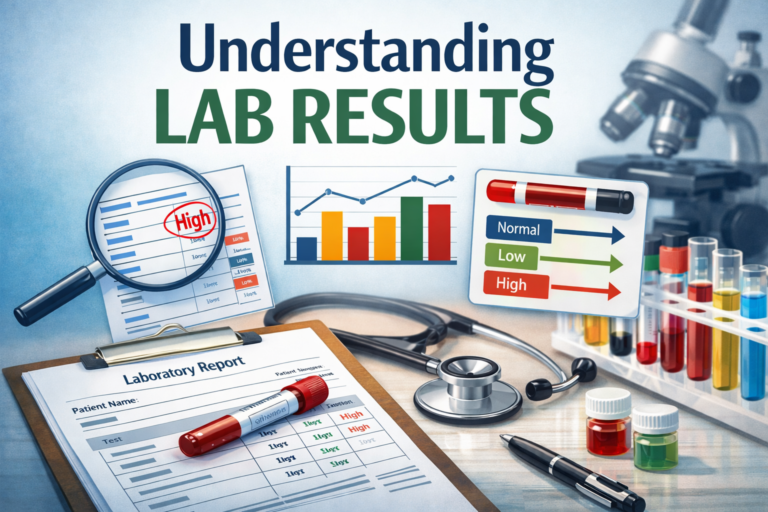
You can also read our guide on what your blood test results mean to understand your results better.
The Bottom Line
- You cannot manage what you don’t measure.
- Know your blood pressure. Know your blood sugar. Know your cholesterol. Know your BMI. Know your haemoglobin.
- These five numbers could save your life.
- Follow RMA by Olushola on Instagram for more health education that speaks your language — simple, relatable, and built for Nigerians.
Disclaimer: This article is for educational purposes only. Always consult a qualified healthcare provider for interpretation of your results and personalised medical advice.